After the Sun's Gone: Picking a Winter Cottage by Its Welcome, Not Its View
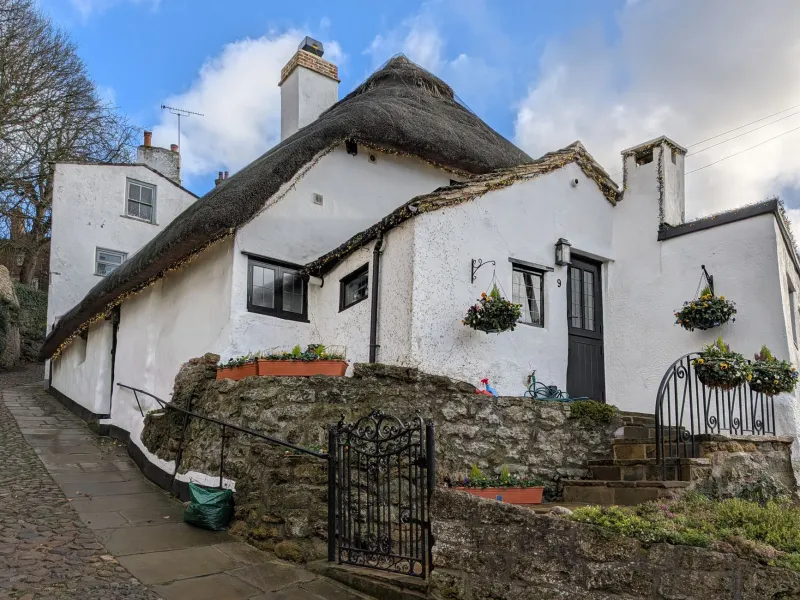
By four o'clock in mid-November, the light has already given up. If you're booking a cottage for a winter weekend, the chances are you'll arrive in the dark — later than you meant, probably, with a bag of groceries sliding around the boot and someone asking whether you're nearly there. That's why the first ten minutes at a cottage matter more than the view you can't yet see.
A good winter cottage doesn't just look after you once you're inside with the fire lit. It looks after you on the doorstep, in the rain, with a torch in your teeth. The arrival is part of the hospitality. And in winter, it's the part you'll remember first.
Read the Listing for Clues, Not Just Cushions
Most cottage listings are generous with pictures of the sitting room and stingy with the practical bits. That's fair enough — we all want to see the sofa — but in winter, the useful details are often hiding in the text. Look for a proper arrival section. Does it tell you where to park, how to find the key safe, and whether the path is lit? Does it mention a torch, a motion-sensor light, or a welcome note on the kitchen table?
Scroll past the interiors and study any exterior shots. A photo of the front door in daylight is lovely; a photo of the approach after dusk is better. If the gallery shows a dark lane and a house name hidden behind a hedge, ask yourself whether you fancy finding that at 5pm in December with a suitcase. You might. But you should choose it knowingly.
It's also worth checking the map with a winter head on. A twenty-minute walk to the pub sounds charming in June. In December, on an unlit footpath with a muddy stile, it's a different proposition. None of this is about ruling out remote cottages — they can be the best kind. It's about knowing what the last mile actually involves.
Three Questions Worth Asking Before You Book
Owners would much rather answer a question now than rescue you from a dark car park later. If the listing is vague, send a short message. Three questions cover most of it.
First: is the path from the parking spot to the door lit, and is there a torch provided? Second: exactly where is the key safe, and does it need a torch or a code anyway? Third: what's the nearest pub or shop within walking distance, and what time does it stop serving food on a Friday? That last one matters more than you'd think. A village pub that stops serving at 8.30pm is a useful thing to know before you arrive hungry.
If you're booking through a site like Mary's Cottages, use the owner's description as a starting point rather than a brochure. A good owner will tell you if the lane is unlit, if the key safe is round the back, or if the nearest shop is a ten-minute drive rather than a stroll. That honesty is worth more than a basket of logs.
The Small Things That Make a Big Difference
A well-lit arrival isn't about floodlights. It's about small, thoughtful details: a motion-sensor light that comes on as you crunch up the path, a house name you can read from the road, a key safe at eye level rather than behind a bush. A torch on the windowsill. A note that says the kettle is on the counter and the milk is in the fridge.
These things don't cost much. But they change the mood of the weekend. Fumbling in the dark makes people irritable; a smooth arrival makes them generous. You're more likely to open the wine, put the kettle on and settle in than stand in the hallway arguing about who has the keys.
The Pub Test
In winter, the nearest pub within walking distance is not a frivolous detail. It's a form of insurance. If you arrive late and can't face cooking, a pub ten minutes away is a lifeline. If the weather turns, it's somewhere to go that isn't the car. If you've got children or a dog, it's a short outing that doesn't involve a drive on icy lanes.
Check the distance honestly. A pub that's a twenty-minute walk in daylight can feel twice as long after dark. Ask the owner whether the route is lit, whether it's a road or a footpath, and whether wellies are needed. It's not a dealbreaker either way — but it's the kind of thing that separates a restful weekend from a logistical one.
Why the First Ten Minutes Set the Tone
There's a reason a bad arrival lingers. It's the moment when you're tired, hungry and out of your routine. If the key safe is stiff, the path is pitch black and the instructions are buried in an email, you spend the first hour of your holiday solving a small problem. If the light is on, the key turns and the kettle is where it should be, you exhale.
Choosing a winter cottage is partly about choosing that exhale. The view can wait until morning. The walk can wait until after breakfast. The first ten minutes are the ones that tell you whether you've picked somewhere that has thought about you arriving after dark.
So when you're reading listings this winter, look past the cushions and the beams. Look for the porch light. Look for the torch. Look for the owner who tells you exactly how to find the key safe when it's raining. That's the cottage that will look after you — not just in the photographs, but on the doorstep, in the dark, when it matters.