Before the Light Goes: Why Friday Lunchtime Is the Real Start of a Winter Cottage Weekend
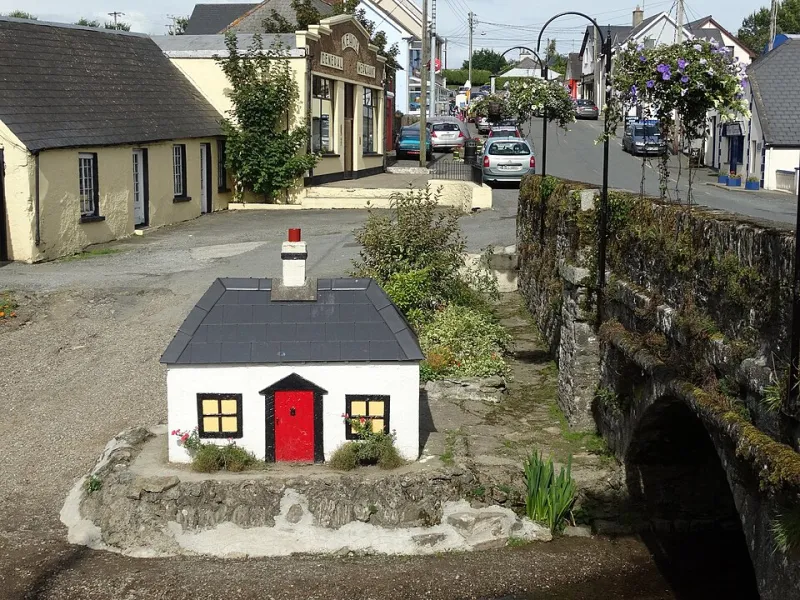
Photo: Hywel Williams , CC BY-SA 2.0, via Wikimedia Commons
Friday afternoon has a bad reputation. It is the bit of the week we treat as a holding pen: still at the desk, already half in the car, counting the minutes until the weekend properly begins. But a cottage weekend does not start when you turn the key. It starts when you decide to leave.
At Mary's Cottages, we are quietly convinced that the best winter escapes begin at lunchtime on Friday. Not because we are allergic to work, but because the alternative — leaving at five, joining the crawl, arriving in the dark to a strange key safe — is a poorer beginning. The light goes early in November and December. Why spend it in a queue?
The case for leaving before the rush
There is a particular kind of tiredness that comes from arriving at a cottage after dark. You cannot see the garden. You cannot tell whether the pub is left or right. The village shop has shut, the key safe is a puzzle in torchlight, and the first job of the weekend is not supper but a hunt for the right gate.
Leave at one or two, and the same journey feels like a different one. The motorway is still busy, but it is moving. You stop for a coffee because you can. You reach the lane while the sky is still a pale grey, find the key safe without drama, and walk to the shop before it closes. By the time the light has gone, you are already inside, kettle on, bag unpacked. The weekend has begun with a small act of kindness to yourself.
This is not about racing. It is the opposite. The earlier start buys you the right to slow down.
Pack like you mean it on Thursday
The Friday-lunchtime escape works best when Thursday evening does the quiet work. Put the bag by the door before you go to bed. Charge the torch. Save the directions offline, because rural signal is a rumour. Fill a small bag with the things you always wish you had on arrival: tea bags, milk, a loaf, a torch, a spare layer and a corkscrew if the cottage does not list one.
Do not pack for a fortnight. A winter weekend needs less than you think: walking boots, woolly layers, a waterproof, something soft to wear indoors and one decent jumper for the pub. If you are travelling with children, let each of them pack a small bag they can carry. It gives them something to do and saves you from being the family sherpa at the other end.
Choose a cottage that lets you in early
A genuine early check-in is worth more than a fancy welcome hamper. When you are booking for winter 2026, look beyond the photographs of the wood burner and read the practical bits. What time is check-in? Is it a key safe, a person with a key, or a lockbox with a code that arrives by text? Is there parking at the door, or a lane that is better walked with a torch?
If the listing says check-in from 4pm, ask whether an earlier arrival is possible. Some owners can offer it, especially in quieter months. Others cannot, and that is fine — but it is better to know before you plan a lunchtime departure. Also check the village shop hours and the nearest pub's kitchen times. Arriving to a closed shop and a shut kitchen is not a restful beginning.
Arrive in daylight, even in November
In winter, daylight is the real luxury. Aim to reach the cottage before three if you can. That gives you time to find the key safe, work out the heating, unpack the food and take a short walk to the end of the lane. It also means you see the place you have booked. A cottage that looks mysterious and lovely in photographs can feel quite different when you are trying to find the back door with a phone torch.
If you are arriving by train, check the walk from the station in daylight too. A ten-minute stroll can feel longer with a wheelie bag and a fading sky. A taxi for the last mile is not a failure; it is a sensible use of the weekend.
The first-night supper ritual
The first night should not involve a heroic shop, a complicated recipe or a trip back out in the car. Keep it simple. On the way, or in the village shop if it is still open, buy bread, cheese, soup, apples and something sweet. Or bring a pre-made stew in a cool bag and a bag of salad. The rule is one pot, one board, one bowl.
Light the fire if there is one. Put the phone in a drawer for an hour. Set the table properly, even if the table is small and the chairs do not match. Eat something warm, open a bottle if you fancy it, and listen to the cottage settle around you. This small ritual does more for a weekend than any itinerary. It tells your brain that the week is over.
If you have energy, a short walk to the pub for a half is a lovely way to end the evening. If you do not, stay in. The point is not to do more. The point is to arrive properly.
A small permission slip
Leaving work early on a Friday is not skiving. It is not indulgent. It is a practical way to make a short break feel longer and calmer. You trade an hour at the desk for daylight at the key safe, a shop that is still open and a first night that begins with supper rather than a torch-lit hunt for the right gate.
So put the out-of-office on. Take the half-day. The weekend is not waiting for five o'clock. It is waiting for you at lunchtime.