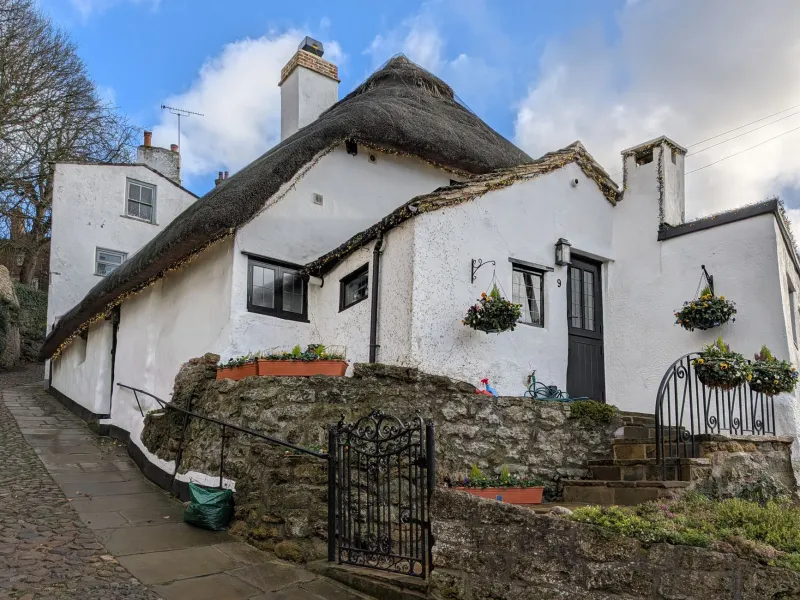
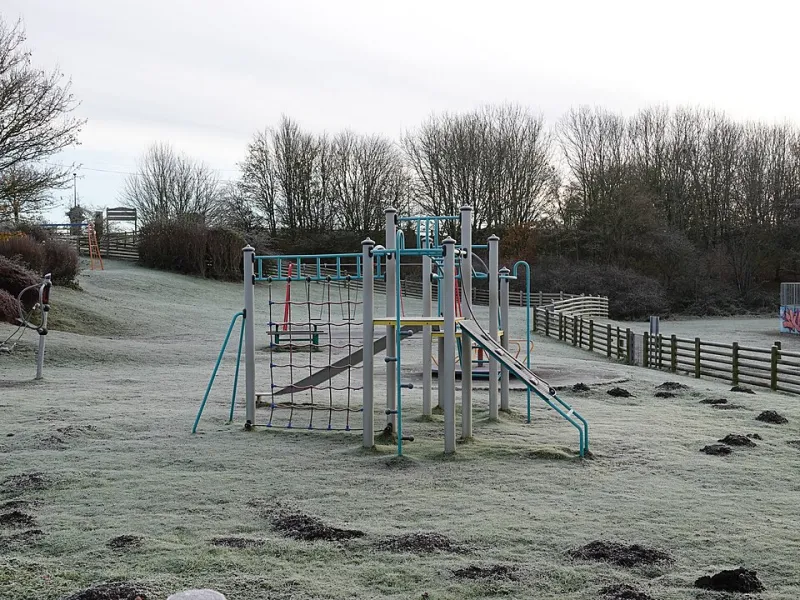
The Lane, the Lamp and the Last Few Steps: A Cottager's Guide to Arrival
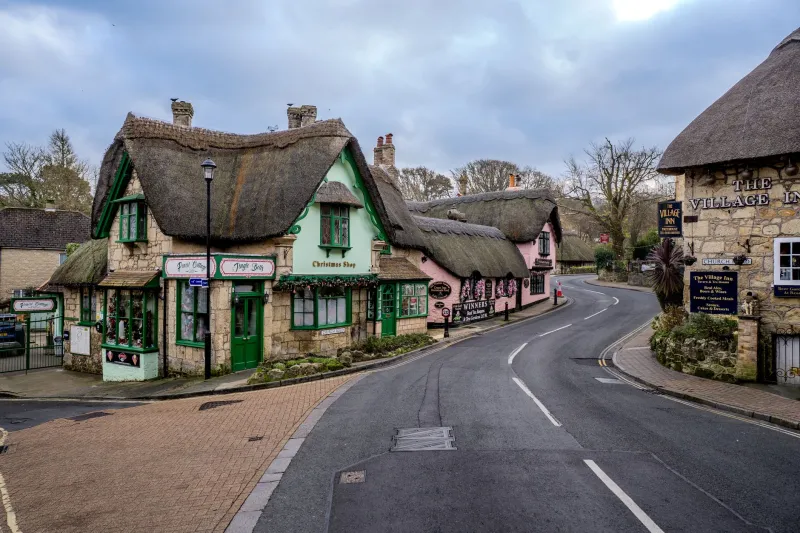
There is a moment in every cottage break that no brochure ever shows. You have left the motorway, followed the satnav down a lane that seems to narrow with every field, and now you are crawling past a gate, a hedge and a sign that may or may not be the right one. The light is going. Someone in the back seat is asleep. The boot is full. This is the final approach, and it matters far more than most listings admit.
The bit the camera never catches
Cottage photographs are good at beams, blankets and big windows. They are less good at passing places, gravel gradients and the exact distance between the car and the front door. That is understandable — a sofa sells a weekend — but on a dark November Friday, the last hundred yards can shape the whole mood of arrival. A simple parking spot and a short, lit path feel like a welcome. A muddy verge, an unlit gate and a suitcase carried up two flights of outdoor steps feel like a test.
None of this means you need a tarmac driveway and a floodlight. Half the charm of a rural cottage is that it sits at the end of something small and unpaved. The trick is knowing which kind of awkward you are booking, and deciding whether it suits the people and the season you are travelling in.
Read the access notes like a local
Access notes are usually written plainly, but they are easy to skim when you are excited about a wood burner. Slow down and read them properly. Phrases such as 'single-track lane', 'passing place' and 'not suitable for low vehicles' are not legal small print. They are practical instructions.
A single-track lane often means you may need to reverse. A passing place is exactly that — a place to wait, not a guaranteed wide spot at the cottage gate. 'Unsuitable for low vehicles' might mean a steep camber, a rough track or a grass parking area that turns soft after rain. 'Short walk from parking' can mean anything from twenty muddy paces to a quarter of a mile with a suitcase.
If the listing mentions a key safe, check where it is. On a wall by the door is one thing. Behind a shed at the far end of a dark garden is another. If a torch is recommended, believe it.
Charming remote or genuinely awkward?
The difference is usually not distance. It is clarity. A charmingly remote cottage tends to have a clear arrival: a gate that opens easily, a wide enough place to turn, a level path, a light by the door and somewhere obvious to put your bags while you fumble for the key. It may be miles from a shop, but the last few steps are straightforward.
A genuinely awkward arrival often has a string of small uncertainties. Is this the right driveway? Should the car be left here or there? Are those steps the only way in? Will the path flood? Is that neighbour's gate the one we need? None of these is a disaster in daylight. In the rain, with a tired child and a week's worth of bags, they add up.
Be honest about your group, too. A steep gravel path may be fine for two adults with rucksacks and less fine for grandparents, a toddler or a dog that pulls. A cottage that sleeps six may only have parking for one car, with the rest left on the lane. That is not a reason to reject it, but it is a reason to plan.
The questions worth asking before you pay
A quick email to the owner or agency can save a lot of squinting at photographs. Ask for the practical details in plain terms: where exactly do we park, how many cars, and what is the surface? Is there room to turn? How far is the door from the car, and are there steps or a slope? Is the path lit? Where is the key safe, and is there a porch light? If you are arriving after dark, say so — many owners will leave a light on or send a simple landmark.
For winter breaks, add one more: what is the lane like after heavy rain? A track that is firm in July can be slippery in December. If you have a low car, an electric vehicle you need to charge, or a roof box, mention it. These details are not fussy. They are the sort of thing a good owner would rather know in advance.
Pack for the last hundred yards
A little forethought makes arrival gentler. Keep a small torch or headtorch in the glovebox, not buried in a suitcase. Pack one bag with the essentials — phone chargers, milk, tea, a snack, the children's pyjamas — and leave the rest for a second trip. Put boots and coats where you can reach them without unpacking the entire boot. If a child is asleep, one adult can stay with them while the other opens up and puts the kettle on. It is not a military operation. It is just a calmer way to land.
A quiet word about winter Fridays
In November and December, the light leaves early. If you can, aim to arrive before dusk, or at least allow for the fact that the last part of the journey will be in the dark. That is not a reason to avoid a winter cottage — far from it. A lamp in the window and a warm room at the end of a lane is one of the season's small pleasures. But it does mean the final approach deserves a little more attention than it gets in the summer.
Before you book, picture the arrival. Imagine the car, the bags, the weather and the people you are travelling with. If the last hundred yards still sound manageable — even pleasant — then the cottage is probably right. If they sound like a puzzle you would rather not solve in the rain, keep looking. The best winter escapes begin before you turn the key.