Sunday, Not Friday: The Case for the Last-Night Cottage Stay
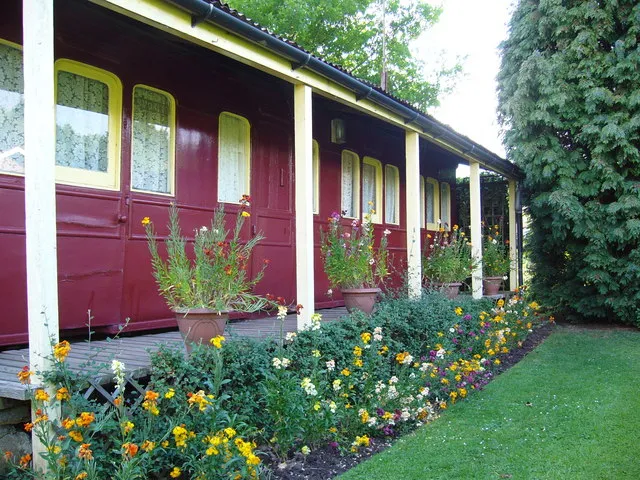
Photo: David Seale, CC BY-SA 2.0, via Wikimedia Commons
There's a particular kind of optimism in booking a Friday-to-Sunday cottage break. You picture arriving in daylight, lighting the fire, opening a bottle of something nice, and sinking into the weekend. Then real life intervenes: the M6, the late finish at work, the forgotten milk, the key safe that refuses to cooperate in the dark. By the time you've unpacked, Friday night has gone. Saturday is lovely but busy — the walk, the pub, the market, the thing you promised yourself you'd do. And Sunday morning arrives with a familiar weight: pack the car, strip the beds, find the bin, get home before the traffic builds. It's a weekend, but it's not always restful.
A Sunday-night stay flips that rhythm. Instead of treating the last night as the one you have to get through before the drive home, you treat it as the main event. And in winter especially — when the lanes are quiet, the pubs have their fires lit, and the light fades early — that shift can transform a short break.
The Friday illusion
Friday night is sold to us as the start of the weekend. In practice, it's often the admin of the weekend. You arrive tired, you unpack in a hurry, you realise you've left the coffee at home, and you spend the first hour working out how the heating works. It's enjoyable, but it's not calm. Saturday then becomes the day you try to justify the trip: the long walk, the nice lunch, the drive to the coast. By Sunday morning, you're already half in the car.
None of this is a disaster. But if you're booking a cosy cottage to actually rest, the traditional Friday-to-Sunday shape can work against you. You spend the first night decompressing and the last morning rushing. The middle is lovely, but it's only one day.
What Sunday actually feels like
Sunday night in a cottage is different. The weekend visitors have gone home. The lanes are quieter. The pub has space at the bar. You've already done your walk, so there's no pressure to tick off a sight. You can spend the afternoon reading, or pottering, or watching the rain from the window with a cup of tea. Then you cook something simple, open a bottle, and go to bed knowing you don't have to set an alarm for the drive back.
Monday morning is still Monday morning, of course. But if you've booked a late checkout — or just asked nicely — you can leave the cottage at ten or eleven rather than seven. You can have breakfast without watching the clock. You can drive home on quieter roads, or take the train back at a civilised hour. The weekend doesn't end with a scramble; it tapers off.
There's also the cost. Sunday nights are often cheaper than Fridays or Saturdays, particularly in winter. Some cottages offer a three-night weekend rate that includes Sunday, or a discounted fourth night. It's worth asking. A Sunday-night stay can be the same price as a two-night Friday-to-Sunday break, but with an extra night of actual rest.
The practical bits: late checkout, suppers, and the Monday morning glide
If you're tempted, the booking details matter. First, check the checkout time. A lot of cottages run a strict ten o'clock, which rather defeats the point. Look for places that offer a later departure — eleven or twelve — or ask whether it's possible for a small fee. Some owners are flexible in winter when the next booking isn't until Friday.
Second, think about Sunday supper. In many villages the pub does a shorter Sunday menu, or stops serving early. That's fine if you've planned for it. Either book a table for early evening, or plan to cook at the cottage. A simple pasta, a baked potato, or something from the deli you passed on Saturday is enough. The joy is not having to go anywhere.
Third, consider the journey home. A cottage within an hour or two of home makes Monday morning manageable. So does a train line with a reasonable morning service. If you're driving, check whether you can leave the car at the cottage while you go for a last walk, or whether there's somewhere to park near the station. The less abrupt the transition, the better.
Booking clues to look for
When you're searching, a few phrases are worth noticing. 'Late checkout available' is a good sign. 'Sunday night discount' is even better. 'Quiet lane' and 'pub within walking distance' tell you the Sunday evening will be gentle. 'Log burner' and 'welcome basket' suggest the owners understand why people come in winter. And if the listing mentions a 'Monday morning breakfast hamper' or 'milk delivery', you've probably found somewhere that gets it.
It's also worth reading the reviews for mentions of Sunday. Guests often mention whether the village was quiet, whether the pub was open, and whether the owner was flexible about departure. Those details are more useful than a list of amenities.
A different rhythm
None of this is to say Friday-to-Sunday breaks are wrong. They suit plenty of people, especially if you're fitting around school or work. But if you've ever come home from a cottage weekend feeling like you need another weekend to recover, the Sunday-night stay is worth trying. It's not about squeezing in more; it's about giving the last night the space it deserves. And in winter, when the lanes are dark and the fire is lit, that extra night can feel like the whole point.