Ten Minutes to the Doorstep Loaf: Put the Village Shop First, Then Choose the Cottage
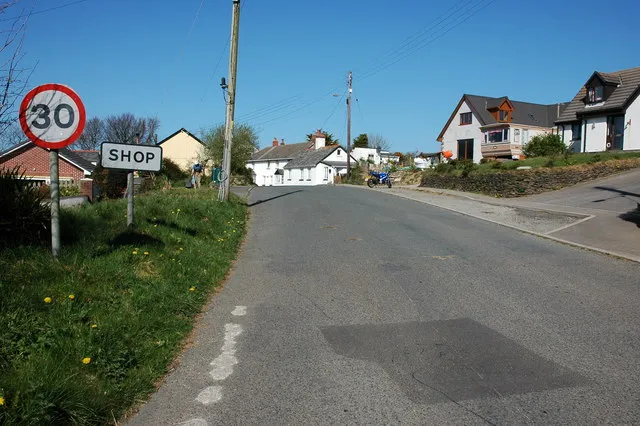
Photo: Philip Halling, CC BY-SA 2.0, via Wikimedia Commons
Ask what people want from a cottage and the answers are predictable: a fire, a view, a pub within stumbling distance, a dog-friendly garden. Ask what they remember afterwards, and it is rarely any of that. It is the morning they walked down the lane for milk, came back with a warm loaf and a bag of local apples, and accidentally learned the name of the woman behind the counter.
The village shop is the least photographed amenity in the entire holiday-cottage industry. It should be near the top of the filter list.
The amenity that never makes the listing photos
Look at how a cottage is sold. Woodburner, hot tub, fast wifi, EV charger, welcome hamper, dog friendly. All good things. But every one of those keeps you inside the property. Not one of them gives the day a shape.
A shop within a ten-minute walk does something different: it turns the first hour of the morning into an outing with a purpose. Not an expedition, not a hike with a route card — a small, repeatable errand that happens to be the nicest part of the day.
Why ten minutes is the right number
Long enough to feel like a walk and to leave the cottage behind. Short enough that nobody needs to negotiate it, and short enough that the second trip — because someone forgot butter, or the bread was still in the oven — is an inconvenience rather than a catastrophe.
Ten minutes is also about the limit for doing it in whatever you slept in, under a coat, before anyone has properly woken up. That matters more than it sounds. A shop four minutes away gets used every single day. A shop fifteen minutes away gets used once, on the Saturday, and then the car comes out and the whole thing collapses into a supermarket run.
What the first walk of the day actually does
It sets the rhythm. Holidays at home tend to fall apart around ten in the morning, when everyone is awake, nobody has decided anything, and the day gets lost to phones and a second pot of coffee. A morning walk with a destination solves that without a single plan being made.
It also teaches you the place faster than any guidebook. On the way you pass the churchyard, the recreation ground, the house with the honesty box of eggs at the gate. In the shop you find the noticeboard: the pub that stops serving food at eight, the Tuesday market, the footpath that is currently closed because of a fallen tree. Shopkeepers are an unfiltered information source, and they are usually right.
And you come back with breakfast. Warm bread, local bacon, milk in a proper bottle from a dairy a few villages over. Sitting down to that at half past nine, boots by the door, is a fundamentally different experience from eating a supermarket croissant you queued for in a retail park on the drive down.
A shop is not a small supermarket with a nicer sign
The distinction matters. A convenience store attached to a filling station will sell you a pint of milk; it will not tell you anything. What you want is the place with a post office counter at the back, a shelf of locally made chutney, a freezer of pies from the farm up the road, and a handwritten sign about the Christmas raffle. It may close at half past four. It may be shut on Mondays. It may, in the manner of many a Welsh and Scottish village, observe a half day on Wednesdays.
That shop is a small piece of local infrastructure, and cottages full out of season are part of what keeps it open. Spend a tenner there on the Saturday morning and you are doing more for the place you came to see than any amount of careful recycling in the cottage kitchen.
Breakfast is a good test of a whole weekend
If the walk to breakfast works, the rest tends to. You go out again in the afternoon, because you already know the way. You buy something from the deli for supper because you saw it on the shelf. You end up at the pub the shopkeeper recommended, which is quieter and better than the one on the main road. The car stays put for two days and nobody notices.
If the walk to breakfast doesn't work — because the nearest shop is a three-mile drive, or the village is a hamlet with nothing but a church and a bench — then you are running a small logistics operation every morning instead of a holiday. It is not the end of the world. It is just a different, busier weekend.
How to check before you book
It takes five minutes and it is worth doing properly.
- Map the walk, not the drive. Anything under about 800 metres is the sweet spot; over a mile and a half starts to need commitment, weather and shoes.
- Use Street View to see whether there is actually a shop, or a house with a nostalgic sign painted on it in 2009.
- Check the opening hours on the shop's own page or social account, not a directory listing. Look for early closing days and the dreaded closed Mondays.
- Find out what kind of shop it is. A bakery that sells out by half nine requires a different departure time from a village store open until six.
- Ask the owner. Good cottage owners will tell you the bread order deadline, the best route, and whether the farm shop up the lane does hot bacon rolls at weekends. If they can't answer, that tells you something too.
- Take cash for the small places, and a bag. Nobody wants your eggs in a plastic carrier.
The rule
Choose the shop first, then the cottage. Not literally, and not always — there are wonderful stays in genuinely remote places where the only bread for miles is the one you brought with you. But if you are choosing between two cottages, both with a fire and a view and a garden, and one has a shop ten minutes down the lane, the second one is the better weekend.
You will remember the walk, the loaf, the noticeboard and the person who told you which pub does food on a Tuesday. You will not remember the hot tub.