Tuesday, Wednesday, Thursday: The Cottage Break That Feels Like a Fortnight

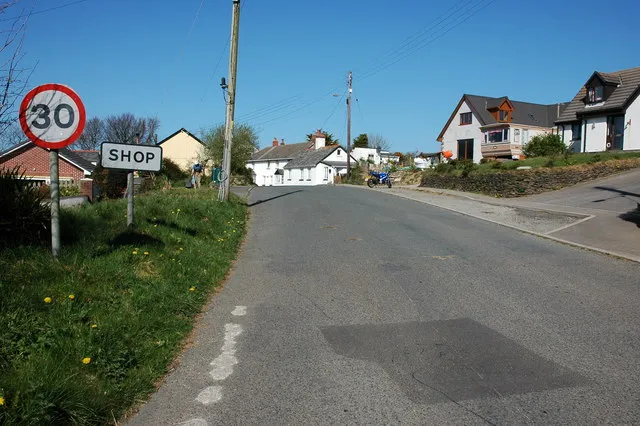
Photo: Hywel Williams , CC BY-SA 2.0, via Wikimedia Commons
There is a particular sort of quiet that settles over a cottage on a Tuesday afternoon. The lane outside has nothing on it but a delivery van and a dog. The pub has a table free by the fire, and the person behind the bar has time to tell you which walk is looking good. By Friday, that same village will be busy with arrivals, reversing cars and the low hum of people trying to start their weekend in a hurry.
Midweek cottage breaks are not a secret among people who already take them, but they remain oddly overlooked by everyone else. If your idea of a good escape involves fewer people, lower prices and a pace that actually slows your breathing, Tuesday to Thursday is hard to beat. Here is why it works, who it suits and how to plan one without overthinking it.
The Friday tax nobody talks about
Weekend cottages carry a premium, and it is not only about the nightly rate. Friday-to-Sunday stays often come with minimum-night rules, higher cleaning fees spread over fewer nights and the sense that you must squeeze every drop of value out of a short break. You arrive late on Friday, spend Saturday trying to do the thing you came for, and spend Sunday tidying up and thinking about the drive home.
A Tuesday-to-Thursday stay flips that. Many cottages drop their rates midweek, sometimes by a third or more, and two nights can cost less than a single weekend night in peak season. You also tend to get more flexibility on arrival time, because changeover day is quieter. It is not glamorous advice, but it is the kind of practical saving that makes a second break in the same year feel possible.
Empty paths, spare chairs
The biggest luxury of a midweek break is other people's absence. Not all of them, obviously — villages still have residents, schools still have children, and the post office still opens. But the footpaths are quieter, the car parks have spaces, and the pub has a chair free near the fire. In winter, that matters. There is a world of difference between a muddy path shared with twenty walkers and the same path with just you, a robin and the sound of your own boots.
It also changes the way you behave. On a busy Saturday, you might avoid the obvious walk because everyone else has had the same idea. On a Wednesday, the obvious walk is fine. You can take the short route, stop at the bench, turn back early and not feel as though you have wasted a day. Midweek gives you permission to be inefficient.
Why three days can feel like five
A weekend break is front-loaded with expectation. Friday evening is for arriving, Saturday is for doing, Sunday is for leaving. A Tuesday-to-Thursday stay has a different shape. Tuesday is a gentle arrival; Wednesday is a whole day with no edges; Thursday morning is a slow breakfast and a last walk before the drive home. Because the days are not bracketed by the working week in the same way, they stretch.
There is also the small matter of anticipation. Leaving on a Tuesday means the weekend has already happened without you. You are not recovering from a busy Friday or rushing to beat the traffic. You arrive with a clearer head, which is half the point of a cottage break in the first place.
Who the midweek break suits best
Couples tend to love it. Two nights is enough for a proper conversation, a long dinner and a walk without the pressure of a grand romantic gesture. Families with younger children can benefit too, especially if you can be flexible about school runs and work patterns. The cottage is cheaper, the pub is calmer and the beach or park is less crowded. It can also work well for friends who no longer live near each other and need a neutral, quiet place to catch up.
The people it suits least are those with rigid diaries and long commutes. If taking two days off means three days of catch-up, a midweek break can feel like a false economy. Be honest about that before you book. The point is rest, not a logistical puzzle.
Planning a Tuesday-to-Thursday escape
Start with the cottage, not the itinerary. Look for places that offer short midweek stays and check the changeover day. Some cottages run Friday-to-Friday or Saturday-to-Saturday in season, but many open up shorter breaks outside peak weeks. Filter for two-night stays and read the small print about cleaning fees and arrival times.
Then choose one thing to do each day, not four. A Wednesday walk and a Wednesday pub lunch is a full day. A Tuesday evening trip to the shop for milk and bread is an event in itself. If you want to visit a National Trust house or a market town, check opening times first — some places run reduced hours from Monday to Wednesday, especially in winter. That is the one real drawback of midweek travel: not everything is open. Build in a backup plan that involves a kettle and a window.
Pack for the weather rather than the fantasy. In November, that means boots, a proper coat and a torch. In summer, it means a layer you can take off. The beauty of a midweek break is that you do not need to pack for every possible occasion. You need one good pair of walking shoes and something clean enough for the pub.
The drive home on Thursday
Thursday afternoon has a particular quality. You are not yet in the weekend rush, but you are close enough to it to feel smug. The cottage is tidy, the fridge is empty and the last walk has been done. You get home before the Friday traffic and have a whole evening to unpack, put a wash on and ease back into real life.
That is the quiet trick of the midweek cottage. It does not just give you two nights away. It gives you a softer landing, a cheaper bill and the feeling that you have stolen a few days back from the week. Friday check-ins will always have their fans. But if you want a break that actually feels like one, try Tuesday. The fire will be just as warm, and there will be a chair free.