Gather Round: The Cottage Break Where the Table Does the Talking
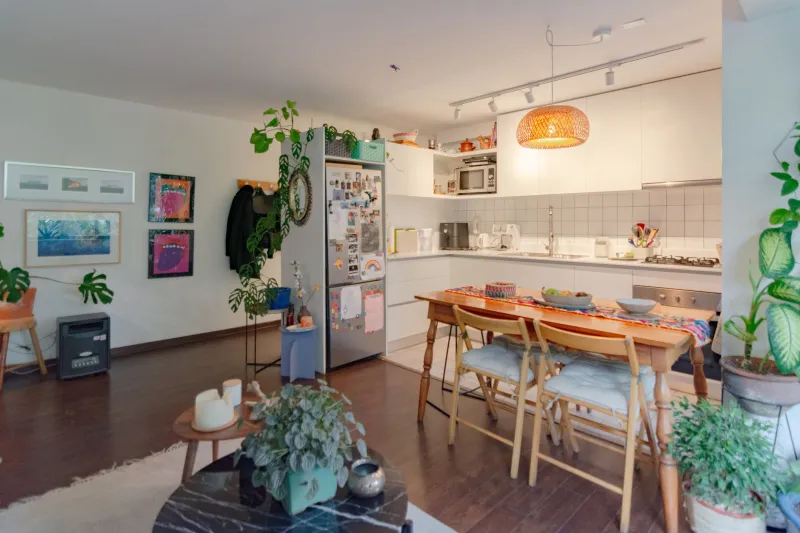
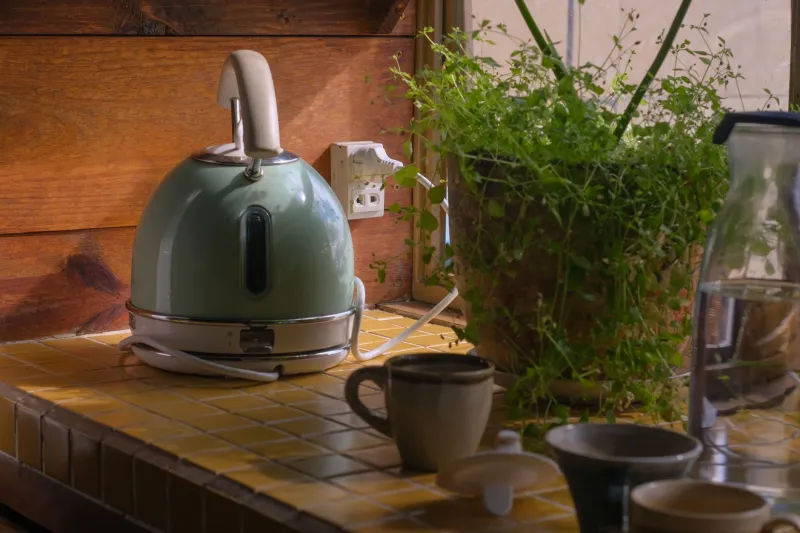
We tend to book a cottage for the view, the log burner or the deep bath. Then we arrive, put the kettle on, and somehow end up standing around the kitchen table for an hour. It is where the bags get dumped, the route gets discussed and the first slice of cake disappears. A good table is quietly doing more work than the listing photos suggest.
Why the table earns its place
A sofa weekend can scatter. One person is on the armchair, another is scrolling, someone else is in the kitchen looking for a tin opener. A long table gathers everyone in the same orbit without demanding a schedule. You can chop onions at one end, set out a puzzle at the other and leave a pot of tea in the middle. It is slow travel in its simplest form: one room, a few good meals, nowhere else to be.
This is not about formal dining. The best cottage tables are scratched, generous and slightly too big for the room. They invite second helpings and half-finished conversations. They make a rainy afternoon feel like an opportunity rather than a problem.
What to look for before you book
A listing that says ‘dining area’ can mean anything from a fold-out card table to a twelve-seater oak beast. Ask for details before you commit.
- Seats, not just spaces. Count the chairs against the number of guests, then add one. Someone always wants to perch.
- Width matters as much as length. A narrow table looks dramatic but leaves no room for serving dishes. Ask for measurements if the photos are ambiguous.
- Mix of seating. A bench on one side is brilliant for children and casual suppers; proper chairs are kinder for older guests.
- Layered light. You want a pendant or overhead light for games and a lamp or two for the slower evening hours.
- Kitchen proximity. The table should be close enough that carrying a hot dish across the room is not a military operation.
- A clear surface. Watch out for tables pushed against a wall or crowded with ornaments. You need room to spread out.
- Board-game potential. A cupboard of games is a good sign. A television dominating the same room is less so.
If you are booking direct, ask the owner which room the table is in and how many people can sit round it comfortably. It is a small question that changes the shape of a weekend.
Nine cottages with a table worth travelling for
These are the sorts of stays we would shortlist when the table matters as much as the postcode.
The Old Dairy, Herefordshire. A ten-seat oak table sits under a wide window, with a bench on one side and orchard light coming in from the other. The kitchen is two steps away, which is exactly right for a bring-and-share supper.
Tarn House, Lake District. The dining room has slate flagstones, a table near the range and enough space for everyone to push back their chair without negotiation. Good for wet boots and long breakfasts.
Fern Barn, Norfolk. A twelve-seat elm table, north-facing light and double doors to the garden. The sort of room where lunch quietly becomes afternoon tea.
The Granary, Suffolk. Scrubbed pine, mismatched chairs and a low pendant that makes the evening feel softer. It is not grand, but it is the table everyone remembers.
Nook Cottage, Cotswolds. An eight-seat table in a bay window, with afternoon light and a proper teapot already on the dresser. Ideal for a small group who like one long, lazy meal.
Harbour Loft, Northumberland. The table faces the harbour, so the morning light does most of the work. Benches keep it casual, and the kitchen is open enough that the cook is still part of the conversation.
The Schoolroom, Yorkshire Dales. High windows, a long table and a sense of occasion without any fuss. Bring a puzzle for the afternoon and something slow-cooking for the evening.
Orchard House, Somerset. A ten-seat kitchen table beside an Aga, with garden doors that stay open in milder weather. It is the kind of room where people drift in and out all day.
The Long Room, Pembrokeshire. A fourteen-seat table, sea light and a separate snug for anyone who needs a quiet corner. Best for a family gathering where everyone claims they are not hungry, then eats twice.
A bring-and-share supper that does not become a production
Keep it simple. One person makes a big pot of something—chilli, dal, a tray of roasted vegetables—and everyone else brings bread, cheese, salad or a pudding from the village shop. Set the table early, put out water and glasses, and resist the urge to make three courses. The point is not the menu. The point is that nobody spends the whole evening at the hob.
The board-game evening
Choose one game before the weekend and let it be the plan. Clear the table, light the lamps, put out a bowl of something salty and leave the phones in another room. Low-stakes games work best: something with a little luck and a lot of talking. If the game fizzles, you still have the table, the tea and the company.
Breakfast that stretches until noon
Set the table the night before: mugs, plates, jam, a loaf under a cloth. In the morning, make porridge or boiled eggs, put the cafetiere in the middle and let people come and go. A breakfast that lasts until noon is not lazy. It is the whole point of a cottage weekend.
The table test
When you get home, ask yourself whether you would book the same cottage again for the table alone. If the answer is yes, you have found the quiet heart of a good stay.