Kettle First, Bags Later: A Calmer Way to Land at a Cottage
There is a particular noise a cottage makes when you first let yourself in. The key safe clicks, the door sticks slightly on the frame, and suddenly you are standing in someone else’s hallway with three bags, a cool box and a vague sense that you should be doing something useful. Most of us immediately start unloading the car. That, I think, is where a weekend can quietly go wrong.
The arrival hour is not admin. It is part of the holiday. Get it right and the next two or three days feel longer, softer and less like a relay race with a changeover at the doorstep. Get it wrong and you spend the first evening hunting for the thermostat while someone asks where the tea bags are.
The key safe clicks, and everyone starts moving at once
A UK cottage break often begins with a journey that has been squeezed into a Friday afternoon. You have left work, navigated a market town, followed a lane that seemed narrower than the map suggested, and reversed into a space that may or may not be the right one. By the time the door opens, everyone is tired and slightly overexcited. That is exactly why the first sixty minutes need a little shape.
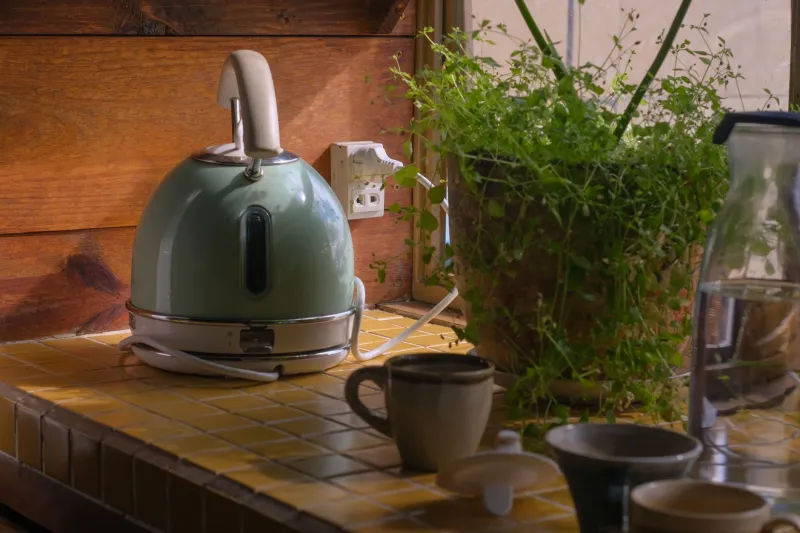
My rule is simple: nobody unpacks anything until the kettle is on. Not the suitcases, not the cool box, not the bag of snacks that has been open since the last service station. Put the kettle on, find the mugs, and stand still for a moment. If there is milk in the car, bring that in first — it is the only item that genuinely cannot wait.
This is not about being fussy. It is about giving the weekend a beginning. A cup of tea in an unfamiliar kitchen is a small signal that you have arrived, rather than simply stopped.
Open a window, find the thermostat, then stop
While the kettle boils, do three useful things and no more. Open a window in the main room to let the cottage breathe. Find the thermostat or heating controls and set them to something sensible for the time of year. Read the welcome note just far enough to learn the Wi-Fi password, the bin arrangements and whether the hot water needs a boost.
Then stop. The rest of the welcome folder can wait until after supper. You do not need to memorise the recycling calendar or work out which key locks the back door before you have had a drink. In November, with the light thinning by half past four, it is easy to panic about the evening before it has begun. A small amount of practical settling is enough.
Five minutes outside, before the first proper cup
Here is the part that makes the biggest difference: before you settle in, go outside for five minutes. Not a walk, necessarily. Just a leg-stretch. Stand at the gate, look down the lane, find the nearest pub sign or listen for the sea. Let your shoulders drop.
This tiny bit of movement does two things. It stops the journey from following you into the cottage, and it gives everyone a shared sense of where they are. Children can run off a bit of car energy. Dogs can sniff the hedge. Couples can agree that yes, the village looks lovely, and yes, they are glad they came.
If it is raining — and in a British winter it often is — put on a coat and stand under the porch for two minutes instead. The point is not exercise. The point is to mark the change from travelling to being there.
The unpacking can wait, mostly
After the tea and the leg-stretch, unpack in two stages. First, the essentials: milk in the fridge, food that needs chilling, toiletries in the bathroom, phones on charge. Second, everything else — later. A suitcase left open in a bedroom is not a failure. It is a sign that you have your priorities in order.
Families might find this harder. Children want to explore every room at once, and someone will inevitably announce that they are starving. That is fine. Keep the first hour low-stakes. A packet of biscuits and a quick tour of the bedrooms can buy you enough calm to make a proper plan for the evening.
A simple arrival ritual for couples
For couples, the arrival hour can be pleasantly quiet. Kettle on, bags in the hall, five minutes at the gate. Then choose one small thing to do together before dinner: light the fire, open the wine, or walk to the nearest shop for something you forgot. It does not need to be romantic in a grand way. It just needs to be shared.
If you are staying somewhere with a decent pub within walking distance, consider going early for a drink rather than waiting until you are too hungry to enjoy it. A half-pint and a bag of crisps at six o’clock can be the perfect bridge between the drive and the evening.
For families, lower the stakes
With children, the first hour is less about calm and more about containment. Put the kettle on, yes, but also put a torch by the door and check where the nearest green space is. A five-minute runaround before dark can prevent a great deal of indoor chaos later.
Try not to plan a big first-night meal. Something simple — pasta, soup, toast — is almost always better than an ambitious recipe that requires a shop you have not yet found. The cottage kitchen will still be there tomorrow.
What welcome notes could borrow
Cottages put a lot of care into welcome notes, and most are genuinely helpful. But the best ones understand the arrival hour. They lead with the essentials: Wi-Fi, heating, hot water, parking, and a short note on the nearest shop or pub. They do not begin with a twelve-point history of the building.
A few small touches go a long way: a couple of tea bags and a pint of milk, a torch by the door, a one-page local walk suggestion, and clear instructions for the key safe. None of that is extravagant. It simply meets guests where they are — slightly tired, a bit curious, and ready to put the kettle on.
A checklist for any UK cottage arrival
- Put the kettle on before unloading the car.
- Bring in milk and chilled food first.
- Open a window and set the heating sensibly.
- Read only the essential parts of the welcome note.
- Go outside for five minutes, even if it is drizzling.
- Unpack essentials first; leave the rest for later.
- Find the torch and put it by the door.
- Decide on a simple first meal, not a heroic one.
The first hour is not the whole weekend, but it is the doorway into it. Treat it gently and the rest tends to follow. Kettle first, bags later. It is a small thing, but it works.