Pinboard Over Pamphlet: Let the Village Hall Plan Your Cottage Weekend
There is a particular kind of holiday planning that begins with a spreadsheet, a saved list of 'must-sees' and a quiet sense of dread about fitting it all in. This is not that kind of weekend. This is the cottage weekend that begins with the kettle, the key safe and a slow wander down to the village hall to see what somebody has pinned to the board.
Glossy guides are fine in their place. They are useful for finding the big house with the gardens, the famous tearoom, the walk everybody already knows about. But they cannot tell you that the church hall is doing soup and a roll on Saturday because the roof fund needs a boost, or that the pub has a folk night on Friday and the landlady's brother is bringing his fiddle. That information lives on a noticeboard, usually behind slightly cloudy glass, and it is worth more than a dozen curated itineraries.
Start with the porch, not the app
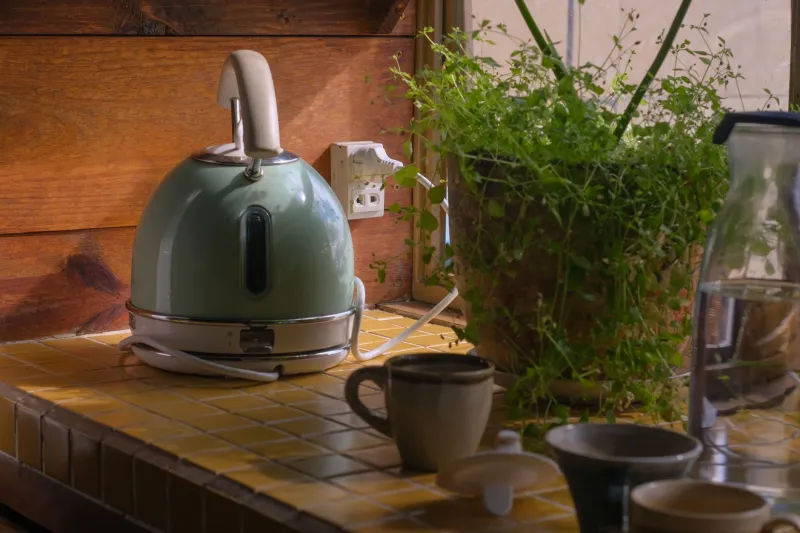
When you arrive at the cottage, resist the urge to open a browser and start ranking attractions. Put the bags down. Put the milk in the fridge. Then look at the information your host has left, not just the Wi-Fi password and the bin day, but the scrappy bit of paper that says 'village hall noticeboard is by the post office' or 'pub does food until 8.30, closed Monday'. If there is no such note, ask. A quick message to the owner, something like 'anything on in the village this weekend?', often unlocks the sort of tip no website would bother to publish.
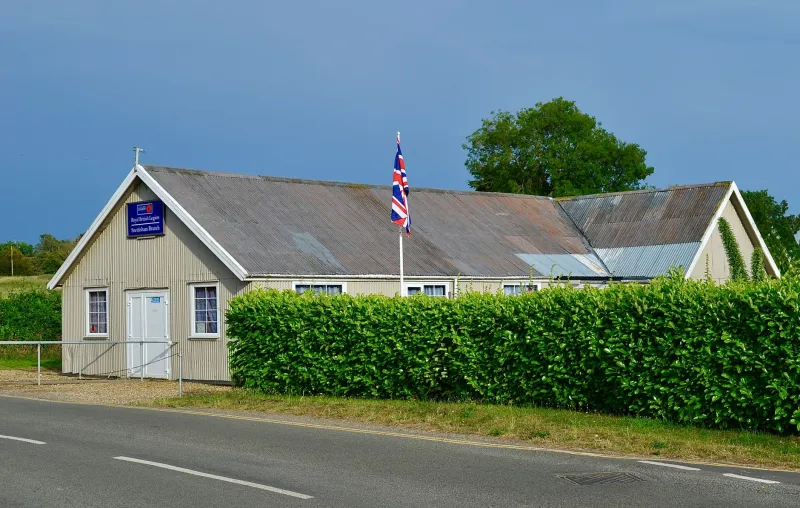
The village hall is usually the heart of it. Not because it is beautiful, though some are, but because it is ordinary. It is where the parish council meets, where the toddler group gathers, where the amateur dramatics society argues about props. Its noticeboard is a layer cake of local life: a yoga class on Tuesday, a book swap on the first Saturday, a ramble on Sunday, a repair café once a month, a quiz night with a trophy that has clearly been won by the same team since 2019.
What a good noticeboard looks like
You are not looking for the biggest event. You are looking for the one that fits the shape of a restful weekend. That usually means something small, something walkable and something that does not require booking a table three weeks in advance.
Look for the handwritten cards first. A5 flyers with tear-off tabs are all very well, but a card that says 'Coffee morning, Thursday 10-12, church hall, everyone welcome' in biro has a particular kind of authenticity. Look for dates that fall on your stay, not just the general season. Look for the word 'all welcome', which is usually genuine. Look for the secondhand book stall, the cake sale, the tabletop sale, the church supper. These are not tourist attractions. They are better than that. They are places to sit down among people who live there.
The pub noticeboard is the other essential stop. It might be inside the porch, beside the loos or in the corridor by the quiz machine. Expect a mixture of the useful and the obscure: a bus timetable, a lost cat, a Friday fish van, a sign-up sheet for the darts team. If you are lucky, there will be a poster for a live band or a pub quiz. If you are very lucky, there will be a note about a walk starting from the car park at 10am on Sunday, led by someone called Martin who knows every stile between here and the next valley.
The case for one thing a day
The temptation, once you start finding notices, is to fill the weekend. Resist it. The whole point of a cottage break is that you are not on a coach tour. Choose one small thing for Saturday and one for Sunday, and let the rest of the day be soup, boots by the radiator and a chapter of a book you have been meaning to read since March.
A Thursday coffee morning is not a major cultural excursion. That is exactly why it works. You drink instant coffee from a proper mug, you buy a slice of victoria sponge for £1.50, you listen to a conversation about the bus service and the state of the church path. Nobody expects you to be there. Nobody minds that you are. You leave with a secondhand paperback and a vague sense of having been somewhere real.
A guided ramble is the same. It might be four miles, it might be six, and it will almost certainly include a stop to admire a view that the leader has seen a thousand times but still loves. You will walk at the pace of the slowest person. You will learn the name of a field and a farmer. You will be back before the light goes.
Small notices, real places
The church hall supper is perhaps the finest example of the form. Usually a Saturday, usually soup or pie, usually £8 or £10, usually cash. You sit at a long table with people who have lived in the village for forty years and people who have just moved into the new houses at the top of the lane. There will be a raffle. There will be a slightly wobbly pudding. There will be a notice on the door about the next one. You will be the only weekenders there, and that is fine. It is more than fine. It is the whole point.
The same goes for the book stall in the church porch, the plant sale outside the chapel, the table of jam and chutney at the village hall. These are not designed for visitors. They are designed for the community, and they happen to be open to you. That is a different kind of hospitality from a welcome pack and a visitor book. It is quieter and more generous.
A practical little method
On Friday evening, take a photograph of the main noticeboard and the pub board. On Saturday morning, over breakfast, pick two things: one indoors, one outdoors. Check the times. If a notice says 10am for 10.30, believe it. Bring cash, because the card machine is often a tin with a slot in the lid. If you are unsure whether an event is open to non-residents, ask. The answer is almost always yes, often followed by a cup of tea.
And if nothing takes your fancy? That is not a failure. Walk to the next village and read its noticeboard instead. Sit on a bench. Watch the world go by. The absence of a plan is a plan. The noticeboard is simply there to remind you that you do not have to make one.
The homeward stretch
On Sunday, before you pack the car, take one last look at the board. There might be a notice for afternoon tea at the chapel, or a table sale in the next village, or a sign-up sheet for a Christmas wreath workshop that makes you wish you were staying another week. You will not do any of it. But you will leave with a tea towel, a secondhand novel and a vague intention to return for the harvest supper. That is a good cottage weekend. The village hall planned it, and you did not have to open a guidebook once.