Pins, Pencil Lines and a Good Pair of Boots: Reading a Cottage's Walk Map Before You Book

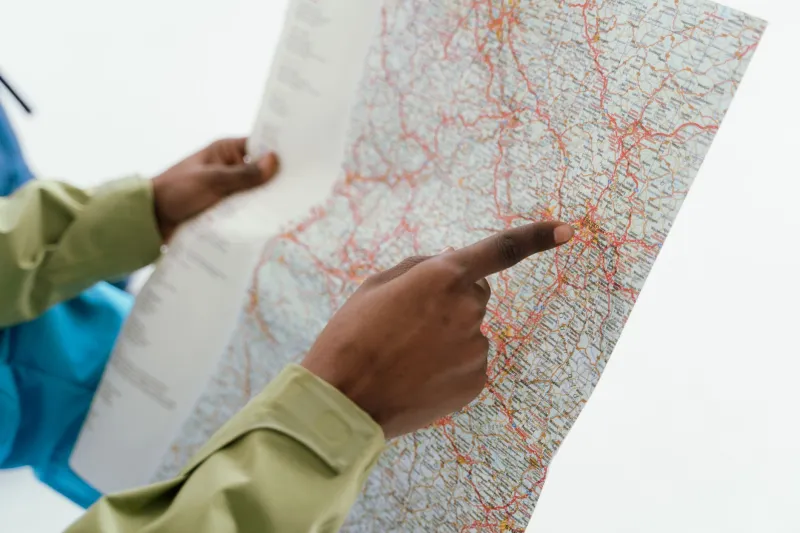
There is a particular kind of cottage photograph I have learned to look for before I book anything. It is not the bed with the crisp linen, or the bath with the roll-top edge, or even the view from the garden gate. It is the wall beside the kitchen table, where a framed Ordnance Survey map might be hanging — ideally with a few pencil lines on it.
A map like that is not a guarantee of a good weekend. But it is a useful clue. It suggests the owners have walked the lanes themselves, know where the footpath leaves the village and have opinions about which stile is muddy in February. For a cosy break built around gentle walks, that is worth more than a glossy folder full of leaflets for attractions twenty minutes down the road.
Look for the map before the view
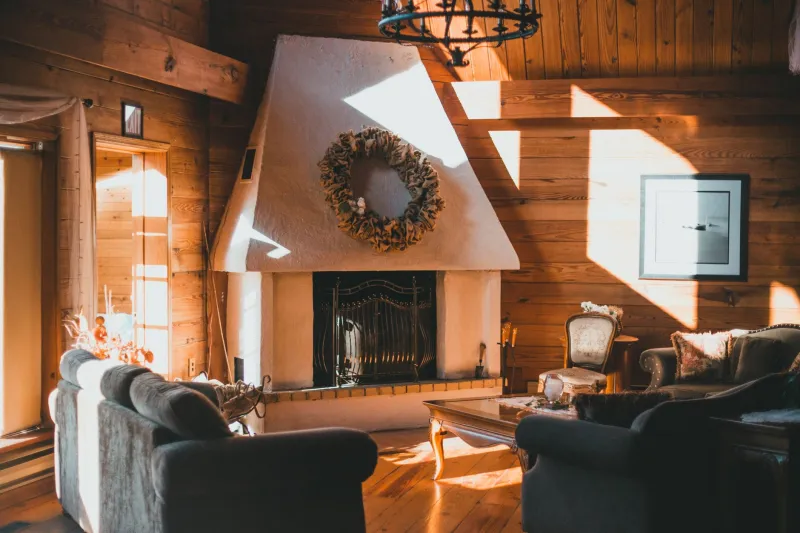
Listing photos are usually arranged to sell the dream: fire lit, cushions plumped, garden in soft focus. Scan past all that for the practical corners. A hallway with a boot rack. A shelf of local walk books. A laminated route card pinned to a noticeboard. A map on the wall with a few circular routes drawn in biro.
You are not looking for a museum piece. A pristine antique map can be pure decoration. The map that matters usually looks slightly used. It might have sticky notes at the edges, highlighter along a bridleway or a small cross marking the pub. One owner note I once saw simply said: short loop before lunch, boots by the door. That told me more about the cottage than the entire booking description.
If the listing does not show the walls clearly, ask. A quick question about whether there are walks from the door will usually get a helpful answer — and the reply itself tells you something. Owners who walk will mention a route, a time and perhaps a pub. Owners who do not may send you a link to a country park ten miles away.
What a marked-up map reveals
An OS Explorer map at 1:25,000 is the useful sort for a cottage weekend. It shows footpaths, bridleways, contours, field boundaries and the small lanes that look fine on a screen but turn into a hedge-lined trough after rain. It will not tell you everything, but it gives you a proper sense of how the land lies.
The pencil marks are the real story. A loop drawn from the doorstep and back is an invitation. A line to the nearest village pub suggests a tested route, possibly with a known bench halfway. Notes about a wet field, a steep stile or a gate that sticks are even better. They mean someone has been out there in ordinary weather, not just on a perfect June afternoon.
Be careful not to over-read the clues. A beautifully marked map does not promise dry paths in December, and a cottage without one may still sit on a wonderful network of lanes. But if the only walking information is a generic leaflet for a National Trust property half an hour away, adjust your expectations. You may still have a lovely stay, but the walk-from-the-door weekend may need more driving than you hoped.
The difference between a walk and a proper stroll
For a restful cottage break, I am not looking for an expedition. Two to four miles is often plenty: enough to earn a pub lunch, not so much that the afternoon collapses into a nap before the fire is lit. A good local map helps you judge that. Look for circular routes, short links between lanes and paths that follow a river or a valley rather than a busy road.
If you are booking with dogs, check the detail. Stiles, livestock and permissive paths are all worth asking about. If you have young children, a route with a pub garden at the halfway point is a different proposition from one with a sheer drop and a wobbly gate. And if the weather turns, as it often does, a map on the wall is a nice thing to study over a second pot of tea while you decide whether to risk the longer loop after all.
Plan from the kitchen table
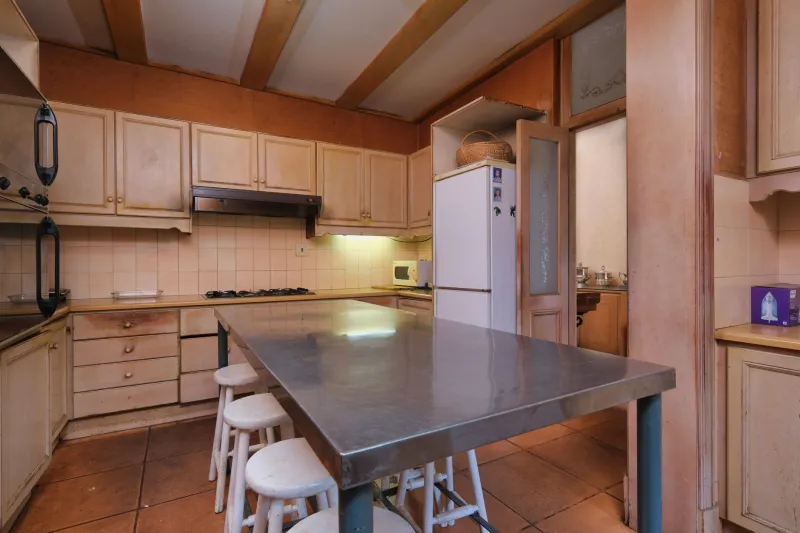
One of the quiet pleasures of a cottage weekend is the Friday-night ritual: kettle on, bags dropped, map spread out. Choose one main walk for Saturday and one short amble for Sunday. That is enough. Leave room for a village shop stop, a bench in the sun and a detour to a churchyard or a bridge.
Take a photo of the route on your phone, but carry the paper map too. Signal is unreliable in exactly the places where you need it. Ask the owner which path is best after rain. Borrow the walk book if there is one. And if you find a particularly good short loop, mention it in the guest book — the next visitor will thank you.
The best cottage map is not the most beautiful one. It is the one that has been used. Pins, pencil lines, a mug ring near the corner and a route to the pub marked in faint biro: that is the sort of wall I want to study before I book. It says the weekend has already begun somewhere in the owner's imagination — and it will not be long before it begins in yours.