The Shelf by the Sofa: How to Spot a Cottage Made for a Night In
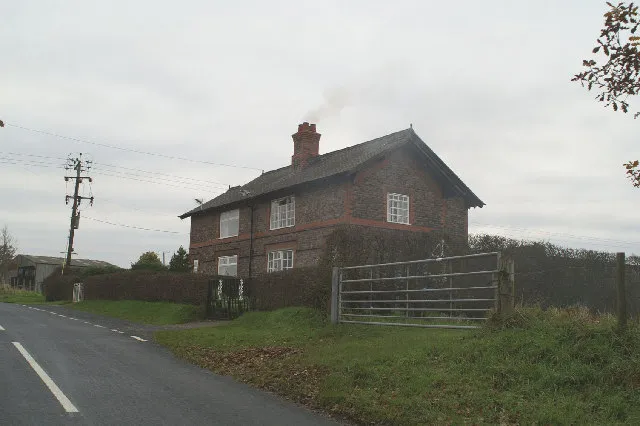
Photo: David Long, CC BY-SA 2.0, via Wikimedia Commons
There is a particular kind of cottage evening that begins with rain on the window and ends with someone accusing someone else of cheating at Scrabble. It is not glamorous. It rarely makes the booking photos. And it is, more often than not, the bit everyone remembers.
When you are choosing a cottage for a winter weekend, it is easy to scan the listing for the obvious things: the log burner, the roll-top bath, the view across the fells. All lovely. But if you want an evening that does not dissolve into three people scrolling in separate chairs, look lower down the photo gallery. Look for the shelf by the sofa.
Start with the shelf, not the screen
A smart TV tells you that the owner expects you to watch something. A cupboard of board games tells you they expect you to talk. That is a different sort of welcome.
You can usually spot it in the listing without much detective work. A stack of boxes with worn corners. A jigsaw with a rubber band around it. A pack of cards that has clearly seen service. Perhaps a backgammon set on the sideboard, or a chess board that doubles as a coffee table. These are not expensive gestures, but they are thoughtful ones. They suggest the cottage has been set up for a wet Tuesday in February, not just a sunny week in July.
It is worth saying that a smart TV is not the enemy. A film on a cold night is a fine thing. But a cottage that has made room for a games shelf has usually thought about the whole evening: where you will sit, what you will put your glass on, whether there is enough light to read a rulebook without squinting.
A jigsaw is a promise — and a small risk
A jigsaw on the shelf is one of the most optimistic things a cottage can offer. It says: we know you might be stuck indoors, and we have given you something to do that does not require a signal.
It also says: we hope all the pieces are here.
You cannot tell from a photograph whether the jigsaw is complete, of course. But you can look for clues. Reviews sometimes mention it. Repeat guests often do. If a listing makes a point of saying “books, games and jigsaws for rainy days”, that is a good sign. If you are booking directly, it is a perfectly reasonable question to ask: is there a decent jigsaw, and do people actually use it? Owners who care will answer with enthusiasm. Owners who do not may answer with a link to the local cinema.
A jigsaw is also a useful social instrument. It gives a group something to do with their hands while they catch up. It lets the quiet person take part without having to hold the floor. It makes a second cup of tea feel like a plan.
The table test
Here is the detail that matters more than the games themselves: the table.
A cottage can have a cupboard full of classics and still be useless for a games night if the only table is a tiny bistro thing wedged against a wall. Game boxes need elbow room. Jigsaws need to be left out overnight without being cleared away for breakfast. Cards need a surface that does not wobble when someone slaps down a winning hand.
When you look at the photos, check the dining table properly. Is it big enough for four people to sit round with a board in the middle? Is there space beside it, or is it crammed into a corner? Is there a lamp nearby, or just a harsh overhead light? These sound like small things. They are the difference between a game that gets played and a game that gets moved aside for the laptop.
If you are a couple, a small table is fine. If you are a family of four or a group of friends, be honest about it. A cottage that sleeps six but seats four at a squeeze is not really set up for a games night, however many Monopoly sets are on the shelf.
What the cupboard cannot tell you
A games shelf is a clue, not a guarantee. It will not tell you whether the rules are missing, whether the dice have vanished, or whether the previous guests treated the box like a footstool. It will not tell you if the jigsaw is a 1,000-piece landscape of beige sky, which is either the best or worst thing in the world depending on your temperament.
That is why it helps to read the listing like a person, not a checklist. Look for the language of a well-used cottage: “a selection of books and games”, “a big table for jigsaws”, “cupboard full of rainy-day things”. Those phrases tend to come from owners who have actually spent time in their own property. They know what a wet weekend feels like.
It also helps to look at the seating. A sofa that faces the TV and nothing else is a sofa for watching. A sofa with a lamp at one end, a side table for mugs, and a chair pulled up nearby is a sofa for staying in properly. The games shelf is part of that picture, not a separate thing.
Packing for a low-tech night without overpacking
The temptation, once you have found a cottage with a good cupboard, is to bring your own favourite games “just in case”. Resist it. The whole point is to use what is there. A cottage’s odd, slightly battered copy of Cluedo is part of the charm. So is the jigsaw with a missing corner that everyone pretends not to mind.
Do bring one small thing if it matters to you: a pack of cards you love, a favourite dice game, a pencil case for scoring. But leave the heavy box at home. You are not moving in.
Instead, spend your packing energy on the evening itself. A bag of good coffee. A bar of something nice from the village shop. A thermal mug for the walk back from the pub. If the cottage has a games shelf, the rest is mostly about settling in: lighting the fire, finding the lamp that gives the room a glow, and agreeing — early — that nobody is allowed to look at their phone until the jigsaw is finished.
The morning after
A good games night leaves its evidence. A board still out on the table. A jigsaw half done, with the box lid propped against a mug. A pack of cards squared up on the sideboard. It is a gentle sort of mess, the kind that says the evening went on longer than planned and nobody minded.
That is what you are really booking when you choose a cottage with a decent shelf by the sofa. Not a smart TV. Not a games console. Just a table, a lamp, a cupboard of odd bits and pieces, and the quiet permission to stay in. In winter, that is often the whole point.