The Sound Test: What a Cottage Will Sound Like After Dark
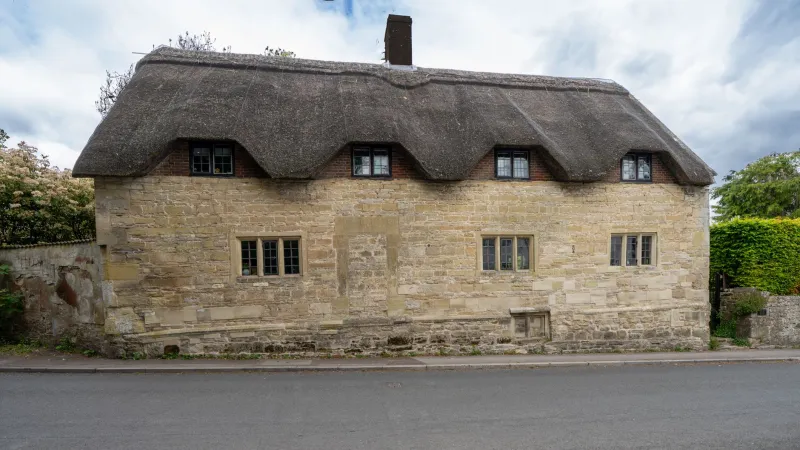
Cottage photographs are silent. That is their great trick. A lane looks empty, the hedge looks soft, the bedroom looks like a place where you might sleep for nine hours straight. Then you arrive, put the kettle on, and hear a low hum you cannot place. Or a church bell starts ringing on a Tuesday afternoon. Or an owl makes you sit up at 2am because you have never actually heard one that close before.
None of this is a disaster. Some of it is the whole point. But if you are booking a weekend for rest, it helps to think about sound before you pay the deposit. Not in a fussy way — just in the way you might check whether a pub is next door or whether the parking is on a slope.
Photos are silent; reviews are not
Reviews are where acoustic clues tend to hide. Guests rarely write a paragraph headed “noise”, but they drop hints. “We slept beautifully” is a good sign. “The road was busier than we expected” is a useful one. “The church bells took a bit of getting used to” could mean a peal on Sunday morning, or it could mean practice night on a Tuesday. Either way, it is information.
Read for repetition. If three separate reviews mention the same nearby road, the same early-morning delivery van, or the same creaky floorboard above the sitting room, believe them. One person can have a bad night. Three people are describing the house.
Also read the owner’s replies. An owner who says “we do mention the road in the listing, and the double glazing helps” is being straightforward. An owner who gets defensive about a genuinely audible A38 is telling you something too.
The words that give the game away
Listing copy is not usually written as a soundscape, but it can be read like one. “Tucked away down a quiet lane” is promising. “Within easy reach of the A38” is not necessarily bad, but it does mean you should look at a map rather than assume silence. “Close to the village pub” is lovely if you want a pint and less lovely if the beer garden backs onto the bedroom window.
Some phrases are acoustic code. “Working farm” means animals, vehicles and possibly a cockerel with strong opinions. “Grade II listed” often means single glazing and floors that announce themselves. “Open-plan living” can be sociable and echoey in equal measure. “Near the heritage railway” is a delight for some families and a 7am steam whistle for others.
None of these are warnings. They are just the truth of the place. The trick is to match the truth to your own tolerance.
Questions worth asking before you pay
A short, friendly email to the owner is rarely unwelcome. Ask what the cottage sounds like at night, and whether there is anything nearby that guests sometimes notice. You are not complaining; you are planning.
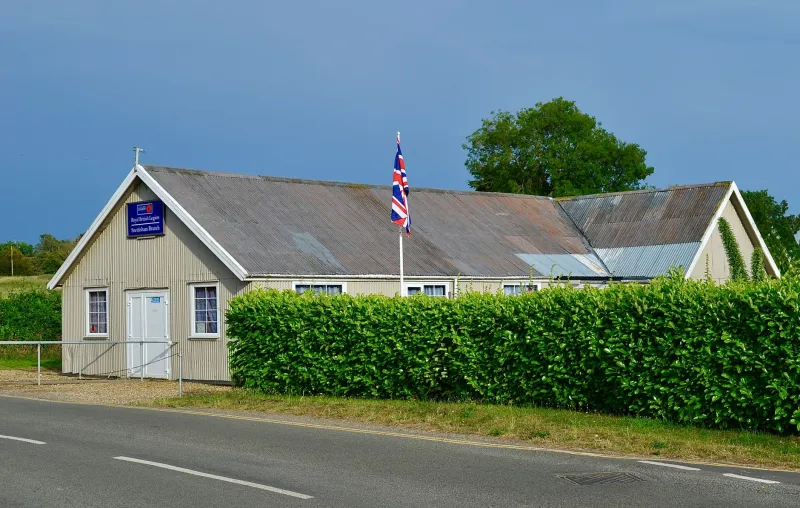
Useful questions include: Is the boiler or air source heat pump near a bedroom? Are the church bells rung regularly, and on which evenings? Is there a road, railway or bypass within earshot when the windows are open? Do neighbouring dogs, chickens or peacocks make themselves known? Is there a pub garden, village hall or playing field nearby? And, if you are booking in winter, does the heating click, hum or clank through the night?
You do not need every answer. You just need the ones that would change how you pack. Earplugs take up almost no space. A white-noise app is free. A cottage with a little character is often worth a little background noise.
Noises to seek out, and noises to screen out
Some sounds are part of the pleasure. Church bells on a Sunday morning, owls in the hedge, rain on a slate roof, a distant steam train, the low murmur of a pub garden in summer, or the shuffle of sheep in the next field — these are not interruptions. They are the reason to go somewhere different.
Others are more likely to wear you down: a boiler that clanks at 6am, a fridge that cycles on and off in a studio kitchen, a main road that becomes a constant hum after dark, or a neighbour’s hot tub that turns the garden into a conversation pit. Again, none of these make a cottage bad. They simply make it wrong for a particular weekend.
If you are travelling with a light sleeper, a toddler or a dog who alerts at every passing van, lean towards the quieter end of the market. If you are the sort of family who wants a railway line at the bottom of the garden and a station café within walking distance, lean the other way. The right cottage is not the silent one. It is the one whose soundtrack suits you.
Pack for the soundtrack
A few small things make a difference. Earplugs for the light sleeper. A small speaker or phone for a quiet playlist if the house feels too still. A torch for the walk back from the pub, so you are not relying on moonlight and memory. And a little flexibility: if the church bells wake you on Sunday, make a cup of tea and call it part of the weekend.
Before you book, close your eyes and imagine the cottage at 3am. What can you hear? If the answer is “nothing much, and that is exactly what I want”, look for the quieter lanes. If the answer is “an owl, maybe a stream, and absolutely no traffic”, say so in your enquiry. Owners know their patch. They will usually tell you the truth — and the right cottage will sound like a restful weekend before you have even packed the car.